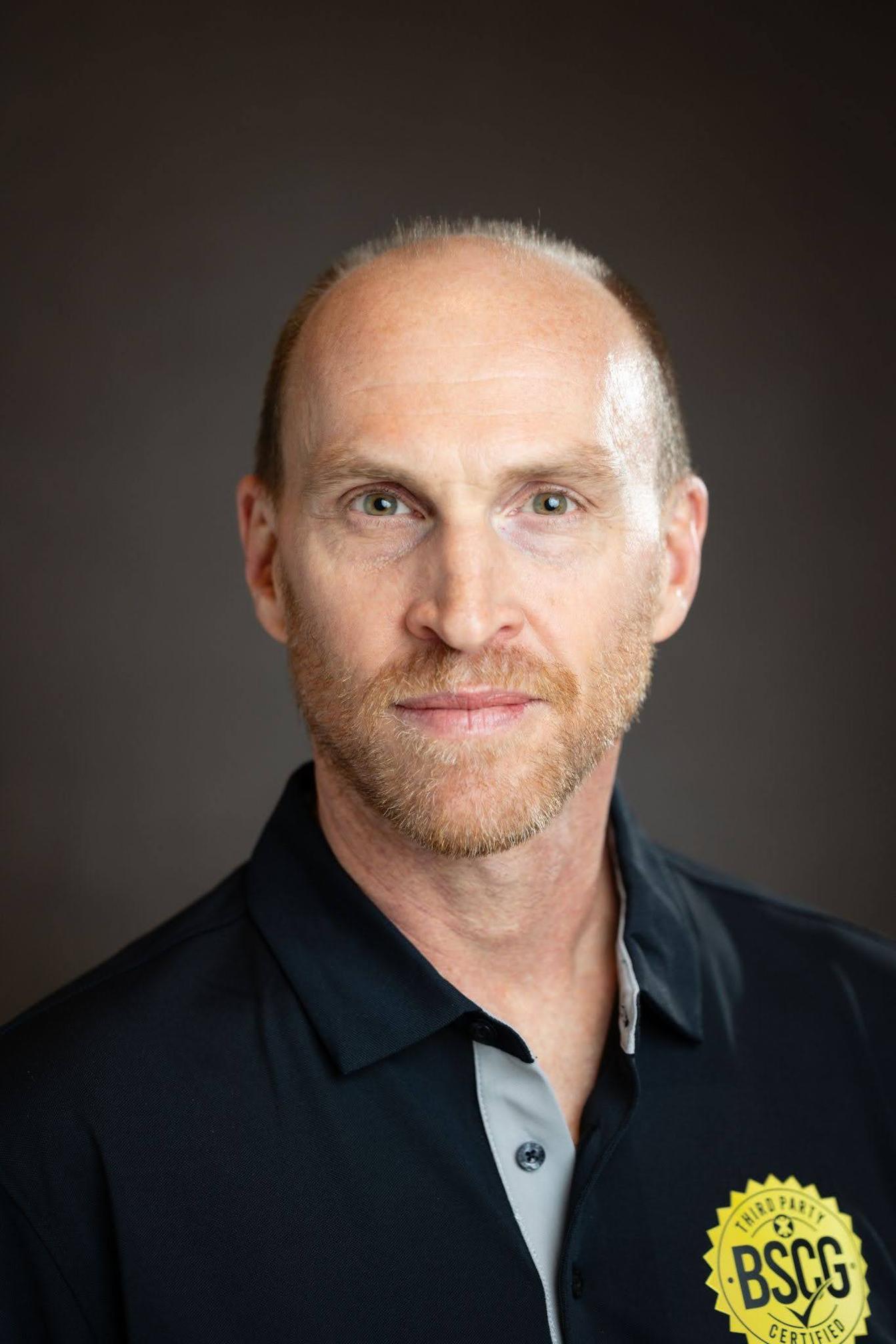
Oliver Catlin is the President and Co-founder of BSCG (Banned Substances Control Group), a leading international third-party certification and testing provider serving the nutrition and dietary supplement industry. Since 2004, Oliver has led the way in developing the BSCG brand, growing its sports testing menu and expanding its offerings. Under his leadership, BSCG has added testing for consumer protection, coverage for equines and canines, testing for contamination and label claims, GMP audits, and has expanded its coverage to include a range of products, from natural products to topical creams and CBD supplements. With a background in the administration of sports anti-doping analytical testing, he is widely regarded as a thought leader in the field of nutrition, dietary supplements and sport drug testing. His highly regarded opinion pieces often help companies and athletes navigate the difficult issues facing the industry, and have appeared in a number of publications, most recently SupplySide Supplement Journal. Oliver is a graduate of U.C. Berkeley’s Haas School of Business with a minor in Conservation and Resource Sciences and more than 15 years of experience in the realm of anti-doping and nutrition.
What emerging technology will have the biggest impact on the global health and wellness industry in the next three to five years?
The rapid growth of unapproved peptides and research chemicals represents one of the most significant challenges the health and wellness industry has faced in decades. Although some compounds may show theoretical promise, none have been established as safe or effective for human use. Nonetheless, consumer demand continues to skyrocket. These products are often manufactured outside Good Manufacturing Practice (GMP) frameworks and without routine quality control testing to confirm identity, purity, or contaminant limits raising substantial concerns about product integrity.
Under the confines of the Dietary Supplement Health and Education Act of 1994 (DSHEA), many of these substances do not qualify as lawful dietary supplements, nor are they approved drugs. Despite this, regulatory enforcement has lagged while the category continues to grow. None of these products are legally approved for human consumption, yet they are widely marketed and sold for that purpose, often with minimal oversight and limited consumer protections.
Historically, substances such as SARMs and prohormones entered the market disguised as dietary supplements. Today, research chemicals and unapproved peptides are sold not only in capsule form, but also as injectables, buccal pouches, vapes, and other delivery systems positioned within the wellness space that are outside of the scope of dietary supplements. As a result, compliant supplement brands now compete directly with unapproved or foreign-approved drug substances, creating unprecedented pressure to blur regulatory boundaries in order to remain commercially competitive with the current trends.
Where does the health and wellness industry need to collaborate more to elevate its future and raise consumer trust?
Quality and substantiated research should anchor the health and wellness industry, particularly in the dietary supplement sector that drives much of its growth. Demonstrating product integrity, efficacy, and regulatory compliance equips consumers to make informed decisions in an increasingly blurred marketplace.
Certification and testing bodies, contract research organizations (CROs), and compliance professionals are sometimes treated as optional. In reality, collaboration with these partners strengthens a brand’s foundation in quality, legal compliance, and evidence generation—freeing companies to focus on innovation and market development.
Wellness trends too often outpace product quality. Responsible brands validate their products through analytical testing, third-party certification, and well-designed studies that substantiate efficacy claims. Today’s informed consumers expect verifiable ingredients, contaminant controls, and credible research—not marketing rhetoric.
Ultimately, quality, compliance, and research create transparency, which consumers increasingly demand. A 2020 survey found that 73% of respondents were more likely to pay a premium for products perceived as transparent, and some brands reported returns of up to 20% on transparency initiatives. For health and wellness companies investing in quality systems and research, those data reinforce that transparency is not just ethical—it is commercially advantageous.
What skill or mindset would you prioritize if you were entering the industry today, and how will this continue to evolve as the industry–and society–expands and matures?
Community building and a personal touch are key elements to success in the supplement industry and they also make work fun. More and more the world is reliant on AI and machines to develop products, or build content, and run the nuts and bolts of our businesses. Relying on AI and engaging with it is an essential component of being a success in business in the future, but maintaining a personal touch and providing authentic, real, and human content and basing your business on that foundation while doing so is perhaps the biggest challenge in business or for people in general.
Engaging with AI is easy, making sure you are accommodating the needs of real people and consumers is not. AI and automation gives us an ability to disconnect more and more at a time when connecting is what really makes brands and products stand out. Holding on to a personal touch and not allowing AI and technology to overshadow the personality of a brand or service will remain a vital skillset long into the future. Using that strong personality and footing to build a community around what you do will always shine through in a more and more impersonal and automated world.